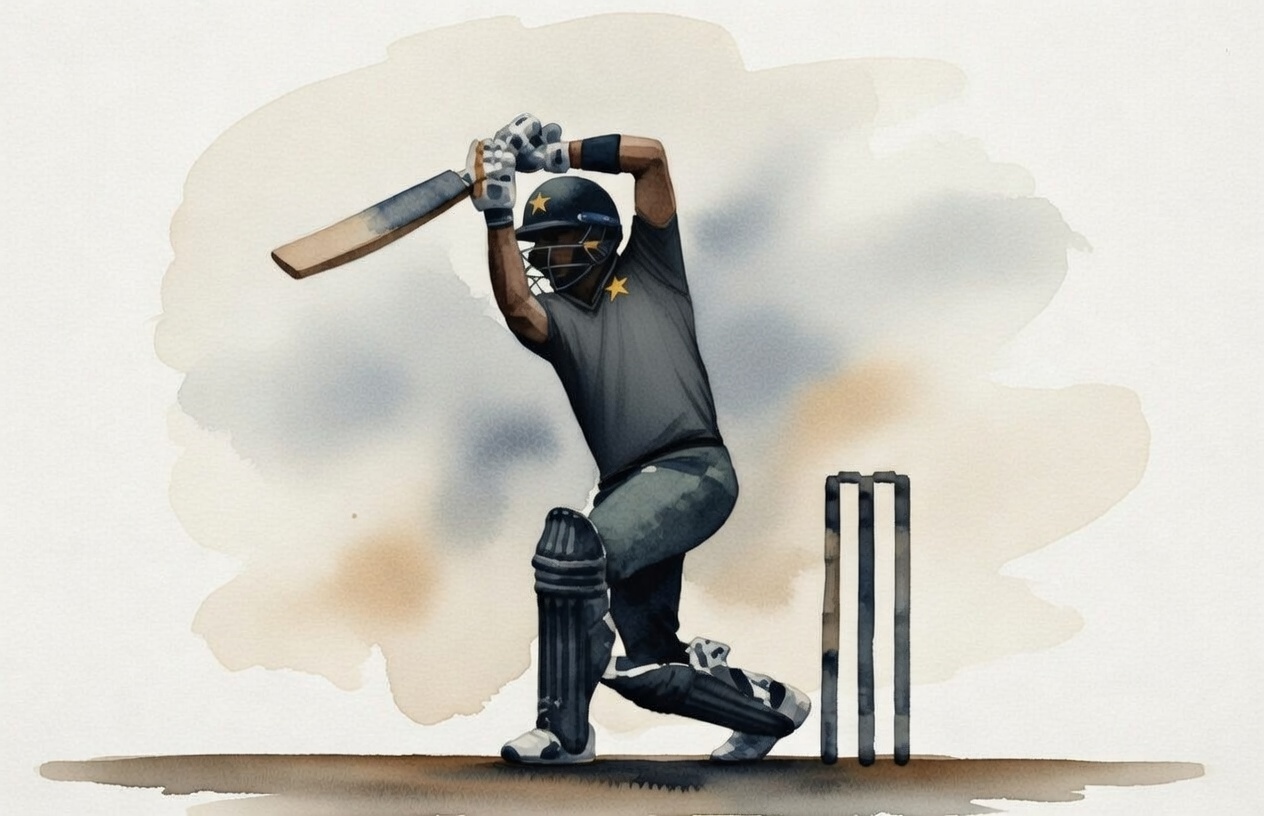
Quick Answer: The cover drive is played to a full-pitched delivery on or outside off stump, driving through the covers with a straight bat. Key mechanics: head over the ball, front knee bent, top hand controls direction, full face of the bat at impact, and a full follow-through toward extra cover. It is one of the highest-percentage scoring shots in cricket when executed correctly.
Why the Cover Drive Is Worth Mastering
The cover drive isn’t just a “pretty” shot — it turns a defensive-length full ball into a reliable scoring option. Better than that: the mechanics behind a clean cover drive (straight bat, head still, weight transfer) are basically the same mechanics behind your safest forward defence.
Step-by-Step: How to Play the Cover Drive
Step 1: Read the Length Early
The cover drive is a front-foot shot. If you read length late, you get stuck on the crease and you’ll either slice it aerially or edge it. Train your eyes to pick the ball early out of the bowler’s hand.
Step 2: Front Foot to the Pitch of the Ball
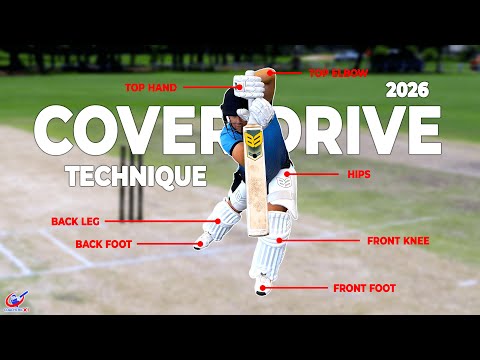
Drive your front foot toward the pitch of the ball (slightly toward cover/mid-off, not straight down the wicket). Front knee bent — not locked — so your head can stay stable and your swing can stay straight.
Step 3: Head Position (Non-Negotiable)
Head over the ball at impact. If your head falls to leg side, your bat follows and the shot turns into a lazy cross-bat swing. Keep eyes level and chin pointed toward the ball.
Step 4: Top Hand Controls the Shot
The top hand controls direction and keeps the bat face honest. If your bottom hand dominates, you’ll open the face, lose control, and float it toward cover point.
Step 5: Full Face of the Bat
At impact, the full face should “show” the bowler — not opened, not closed. That’s how you keep it along the ground (and stop feeding catches).
Step 6: Follow Through
Finish high toward extra cover. If your follow-through is chopped short, you either hesitated or didn’t transfer weight properly.
Common Mistakes and How to Fix Them
| Mistake | What It Causes | Fix |
|---|---|---|
| Head falling to leg side | Ball goes in the air / mistimed | Keep chin pointing at the ball through impact |
| Bottom hand dominating | Bat face opens, edges & floaters | Loosen bottom hand; top hand steers the face |
| Feet not moving | Playing from crease, lofted contact | Commit front foot early to the pitch of the ball |
| Playing too early | Ball goes to mid-off / sliced | Let the ball come under your eyes before driving |
| Locked front knee | Restricted swing, poor balance | Bend the front knee and transfer weight smoothly |
Drills to Improve Your Cover Drive
Tee Drill
Use a batting tee at “full length” off stump. Repeat the same motion: step → head over ball → straight bat → follow-through. No moving ball = pure technique reps.
Underarm Feed
A partner feeds full balls outside off from ~10m. Lower pace gives you time to groove footwork and bat path without panic.
Net Practice with Cones
Put cones at cover/extra cover as targets. If you keep hitting mid-off, you’re too early or too closed. If you keep hitting point, your face is open.
Frequently Asked Questions
What delivery should you cover drive?
A full-pitched ball (knee height or lower) on or just outside off stump. Anything shorter than good length is better punched or cut.
Why do I keep edging my cover drive to slip?
Usually one of three: head falling away, bottom-hand taking over, or playing too early. Fix head position first — then grip control.
How do I get more power on the cover drive?
Power is weight transfer + timing, not brute force. A relaxed grip and full follow-through will out-hit a tense “muscle swing.”
Is the cover drive the hardest shot in cricket?
It’s one of the most technically demanding because it demands coordination (footwork + head + bat face + timing). But once grooved, it becomes one of the safest scoring options.