Quick Answer
When buying cricket batting pads in 2026, key factors are: fit (must cover ankle to just above knee), weight (lighter aids footwork), material (foam vs cane), and budget (decent pads from £35; professional quality from £120). Top picks: Kookaburra 4.1 Pro (best all-round, £95), SG Test (best value, £45), SS Ton Elite (premium, £135).
Key Things to Look for When Buying Pads
1. Fit and Coverage
Pads must cover from the ankle bone to at least 2–3cm above the kneecap. The knee roll must sit directly over the knee. To size correctly: measure from the centre of your ankle bone to the centre of your kneecap and compare against the manufacturer's size guide.
2. Weight
Heavier pads restrict foot movement and tire legs in long innings. As a guide:
- Budget pads: 0.9–1.1kg per pad
- Mid-range pads: 0.7–0.9kg per pad
- Premium pads: 0.55–0.7kg per pad
3. Knee Roll Design
The knee roll protects the most vulnerable joint in batting. Look for a roll that is well-padded but flexible enough to allow natural knee bend. Rigid rolls that don't flex slow your movement and cause discomfort in long innings.
4. Straps
Three-strap pads (ankle, calf, thigh) offer the most secure fit. Two-strap designs are lighter but less secure on the ankle. Ensure straps have a simple, fast-release system.
5. Material: Foam vs Cane
Traditional cane-bolstered pads use thin cane strips for structure. Modern high-density foam pads are lighter, more consistent, and easier to maintain. For most players buying in 2026, foam construction is the better choice.
Batting Pads - Tips & Advice For Buyers | Lord's Buyers Guide
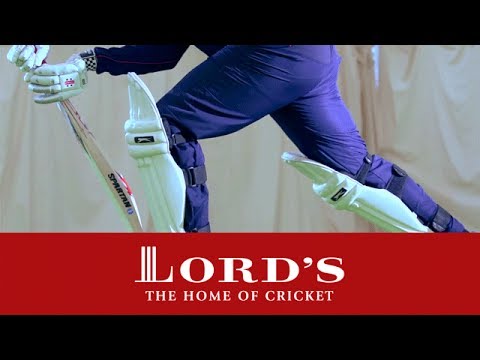
The Lord's buyers guide presents a selection of tips and useful advice from MCC Head Coach Mark Alleyne on finding and buying the right set of batting pads for both children and adults.
Our Top Picks for 2026
| Pad | Price | Best For | Weight |
|---|---|---|---|
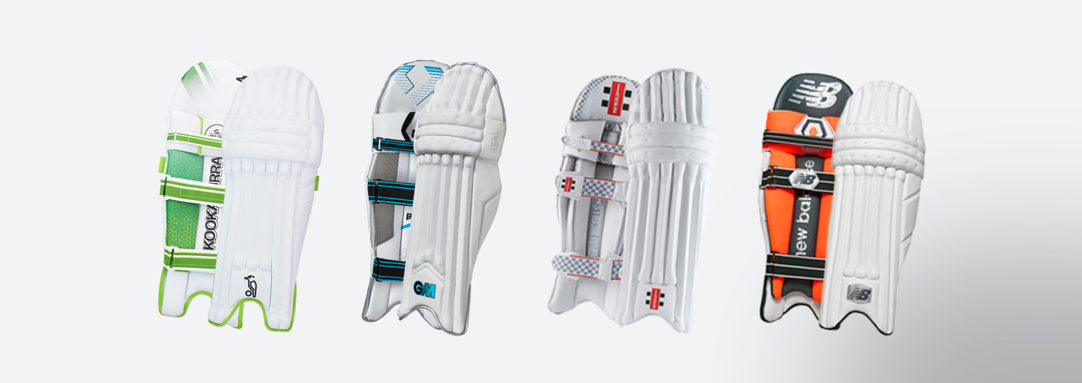
| Kookaburra 4.1 Pro | £95 | Best all-round | ~0.75kg |
| SG Test Batting Pads | £45 | Best value | ~0.90kg |
| SS Ton Elite | £135 | Best premium | ~0.60kg |
| Gray-Nicolls Velocity (junior) | £40 | Best for juniors | ~0.65kg |
How to Care for Your Pads
- After every session: wipe the outer surface with a dry cloth — damp pads stored in bags develop mould quickly
- Storage: store pads flat or standing upright — not folded or compressed, which permanently deforms the foam
- Replacement: replace when the knee roll foam compresses to under half its original depth, or when straps begin to fail
Frequently Asked Questions
How should cricket batting pads fit?
Pads should cover from the ankle bone to 2–3cm above the kneecap. The knee roll must sit directly over the kneecap. When strapped correctly, you should be able to bend your knee freely without the pad riding up.
What size cricket pads do I need?
Measure from the centre of your ankle bone to the centre of your kneecap. Most brands offer junior (up to ~36cm), youth (36–42cm), and adult (42cm+) sizes — but these vary by brand, so always check the manufacturer's size guide.
How much should I spend on cricket pads?
Decent protective pads start at around £35–£45. For regular club cricket, £80–£120 buys a significantly lighter and better-fitting pad. Professional-quality pads cost £130–£160.
What is the difference between batting pads and wicketkeeping pads?
Batting pads are designed to protect the full front of the lower leg from direct ball impact. Wicketkeeping pads are narrower and lighter, designed for mobility and protection against ball deflections rather than direct hits.
Sources
- ECB – Cricket Equipment guidelines
- Kookaburra, SG, SS, Gray-Nicolls product specifications
- Cricket equipment retailers