The Ultimate Cricket Gear Buying Guide (2026 Edition)
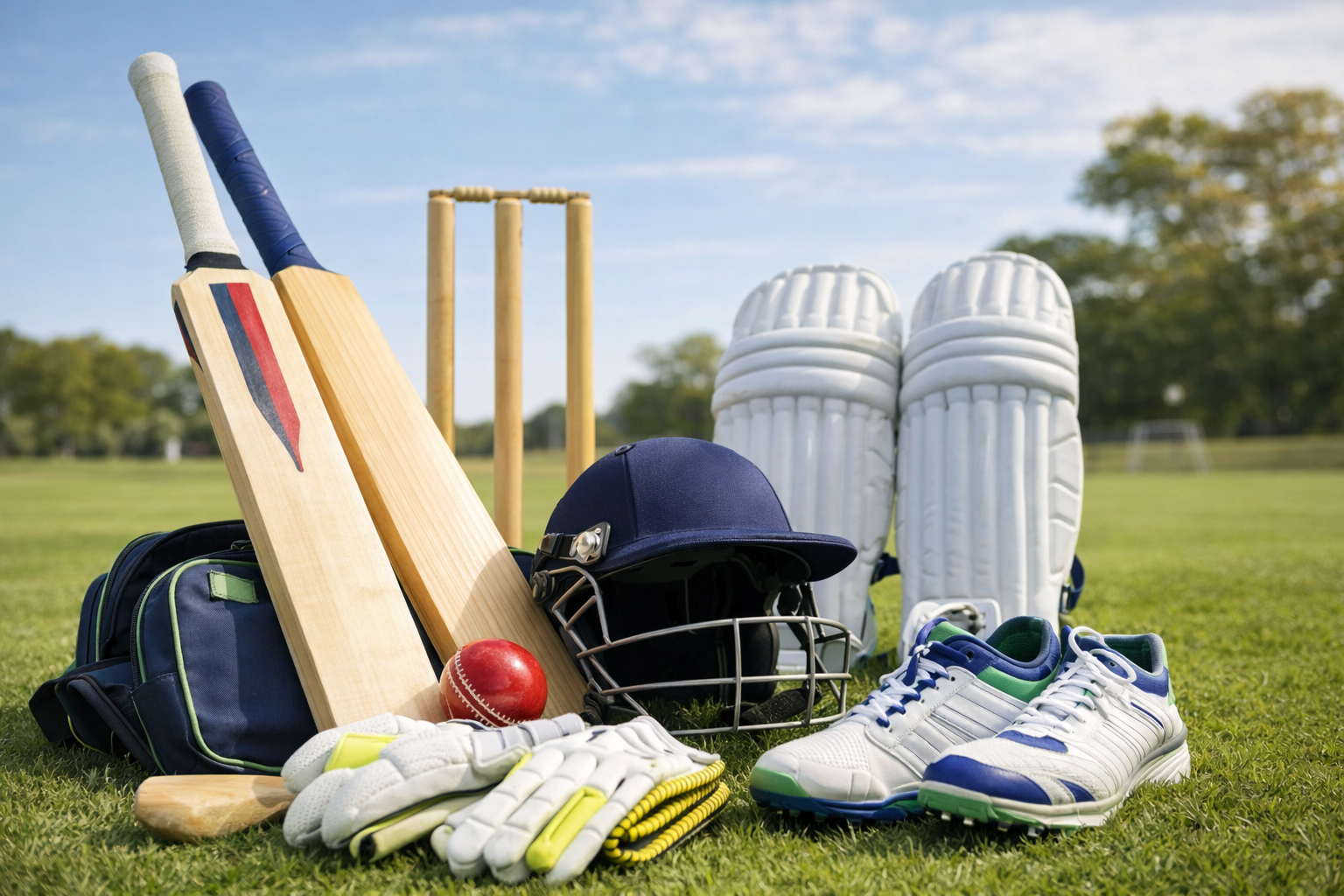
Buying the right cricket gear can dramatically improve performance, safety, and long-term development. Whether you're a beginner, club cricketer, or competitive player, choosing the correct equipment requires understanding materials, weight, balance, and protection standards.
This guide breaks down everything you need to know before making a purchase — backed by official cricket equipment standards and trusted industry sources.
1. Choosing the Right Cricket Bat

Bat Material: English Willow vs Kashmir Willow
- English Willow – Used at professional level. Lightweight, superior grain structure, better performance.
- Kashmir Willow – More affordable, slightly heavier, ideal for beginners.
Reference: Marylebone Cricket Club (MCC) Laws of Cricket – Law 5 (The Bat)
https://www.lords.org/mcc/the-laws-of-cricket/the-bat
Bat Weight & Balance
Most adult bats range between 2lb 7oz to 3lb. Pick a bat you can lift comfortably with one hand in batting stance. Balance matters more than raw weight.
Reference: Cricket World Bat Guide
https://www.cricketworld.com/cricket-bats-willow-weight-balance-among-buyers-quality-guide/69955.htm
Size Guide
- Size 0–6: Junior players
- Harrow: Teen players
- Short Handle (SH): Standard adult size
2. Selecting the Right Cricket Ball
Match Balls
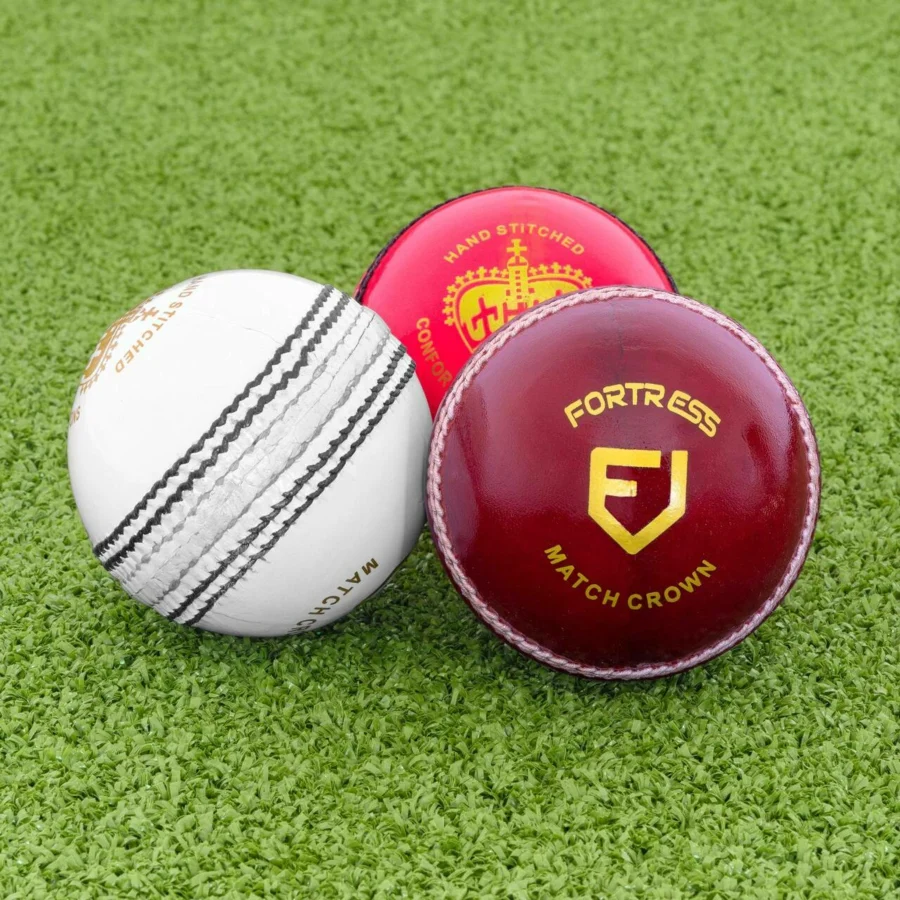
- Red Ball – Used in Test cricket
- White Ball – Used in ODIs and T20
- Pink Ball – Day-night Test matches
Reference: ICC Playing Conditions
https://www.icc-cricket.com/about/cricket/rules-and-regulations/playing-conditions
Leather vs Training Balls
- Leather balls – Used in official matches
- Practice balls – Synthetic or rubber for training
Weight (Men’s): 155.9g – 163g
Weight (Women’s): 140g – 151g
Reference: MCC Law 4 (The Ball)
https://www.lords.org/mcc/the-laws-of-cricket/the-ball
3. Essential Protective Gear
Helmet
Always choose helmets compliant with the latest British Safety Standard BS7928:2013.
Reference: ECB Helmet Safety Guidelines
https://www.ecb.co.uk/governance/regulations/helmets
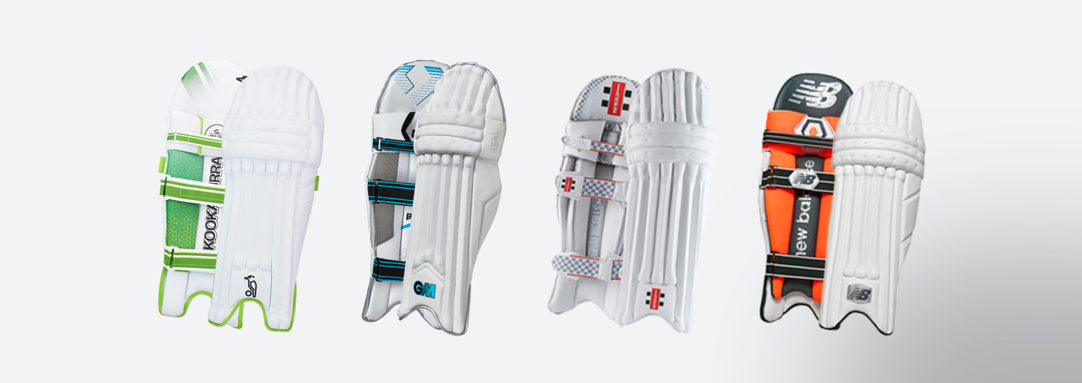
Batting Pads
- Lightweight foam + cane reinforcement
- Proper shin coverage
- Secure straps
Batting Gloves
- High-density foam padding
- Finger split design for flexibility
Abdominal Guard (Box)
Mandatory for male players. Should fit snugly without restricting movement.
4. Cricket Shoes – Grip Matters
Spiked Shoes
- Best for grass pitches
- Metal spikes provide superior traction
Rubber Stud Shoes
- Suitable for artificial turf
- Beginner friendly
Reference: Sports Medicine Research – Impact & Traction in Field Sports Footwear
https://bjsm.bmj.com/
5. Additional Gear & Accessories
- Cricket Bag with ventilation
- Thigh & Arm Guards
- Grip Cone and Bat Mallet
- Sweatbands
- Inner Gloves
Final Buying Tips
- Never compromise on helmet safety certification.
- Buy bat based on comfort and pickup, not brand alone.
- Check league regulations before purchasing match balls.
- For beginners, prioritize protection over premium materials.
Investing in the right cricket gear is an investment in performance and safety. Choose smartly, and your equipment will support your game for years to come.